Side effects of wearing amethyst stone
, by Nika White, 18 min reading time
, by Nika White, 18 min reading time
Curious about side effects of wearing amethyst stone? This blog covers sleep, mood, sensitivity, and skin reactions—helping you choose what suits you.
Updated: January 12, 2026
Table of Contents:
The allure of the amethyst gemstone is undeniable. Its vibrant purple hue and purported metaphysical properties have made it a favorite among gemstone enthusiasts and crystal healers alike. After all, it is believed to bring harmony and wellness into one's life.
However, as with anything, there may be a darker side to this popular crystal.
A question might arise: "Can everyone use amethyst safely?" Some individuals report experiencing side effects of wearing amethyst stone, raising questions about its safety and efficacy.
In this blog, we delve into the potential side effects of wearing amethyst stone. We explore reported physical side effects, psychological implications, and even financial and ethical concerns associated with this gemstone.
We will draw on both anecdotal evidence and scientific skepticism to give a clear perspective. We believe that informed decisions are some of the best decisions, especially when it comes to personal well-being.
Whether you're a crystal healing enthusiast, a potential buyer of amethyst jewelry, or simply curious, this blog will provide a guidance on the potential dangers of wearing amethyst gemstone.
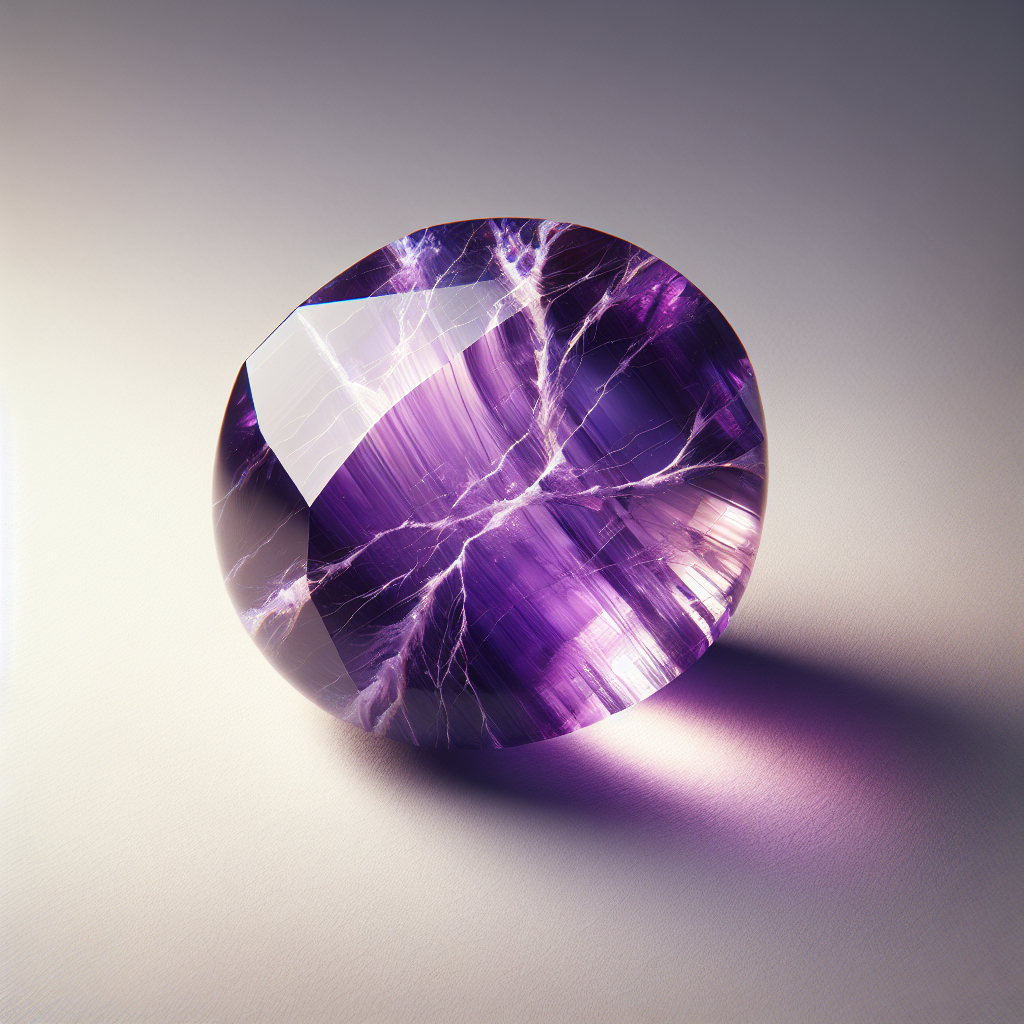
Amethyst crystal, a purple variety of quartz, has long been revered for its beauty and supposed metaphysical properties, such as its ability to bring harmony, stability and peace.
However, the very properties that make amethyst gemstones alluring may also be cause for caution. Some individuals report experiencing side effects of wearing amethyst stone, ranging from mild discomfort to more significant issues.
These reported side effects, while not scientifically substantiated, warrant consideration. Especially for those who wear amethyst gemstones regularly or use them for healing.
It’s important to remember that experiences with amethyst crystal, like any gemstone, can vary widely. What feels helpful for some people may feel neutral—or even uncomfortable—for someone else.
In the following sections of this article, we delve deeper into the potential side effects and dangers associated with wearing amethyst. However, before we procceed, let's take a quick view of history of amethyst.
While the scientific community generally does not recognize the healing properties of crystals, anecdotal evidence suggests that some individuals experience physical side effects from wearing amethyst gemstones. These side effects, though not universally experienced, are worth noting for those considering the use of amethyst for its purported benefits.
The most commonly reported physical side effects of wearing amethyst stone include headaches or skin irritation, and a sense of energy imbalance or lethargy. It's important to note that these side effects are largely subjective and may be influenced by a variety of factors.
Some individuals report experiencing physical reactions like headaches or discomfort when wearing amethyst gemstones. This is often described as a feeling of pressure or tension, particularly around the head or neck area where the amethyst is worn.
While these physical reactions are typically mild, they can create a feeling of stress for some. It's unclear whether these headaches are directly caused by the amethyst or are a result of other factors, such as the weight of the jewelry or a psychosomatic response.
Worn jewellery like bracelets or necklaces, may lead to skin irritation. Skin irritation and allergies are another potential side effect of wearing amethyst stone. Even amethyst earrings can trigger irritation or allergies, since they sit so close to your skin.
However, these conditions are more likely to be caused by the jewellery setting materials rather than the stone itself. In the end, it is the metal that can cause these conditions.
Symptoms can include redness, itching, and swelling. If you experience these symptoms, it's advisable to remove the jewellery and seek medical advice.
Some individuals report feeling an imbalance in their energy or a sense of lethargy when wearing amethyst. They report a lack of vitality. A lack of vitality can have effects on professional aspects and relationships. After all, one has less energy to contribute to her relationships and professional life.
Lethargy can also happen when one meditates with a large piece of amethyst. After all, a large piece of amethyst posseses more energy than the smaller piece. This energy can cause an imbalance and create the feeling of lethargy.
Again, these experiences are highly subjective and may be influenced by personal beliefs and expectations. It's important to listen to your body and adjust your use of amethyst accordingly.
Beyond the physical, there are psychological and emotional implications to consider when wearing amethyst. These potential side effects of wearing amethyst stone are often overlooked but can be just as impactful.
The belief in the power of amethyst can lead to psychological dependence. This is particularly true for individuals who use amethyst as a tool for personal growth and self-reflection. This is especially considering amethyst's association with harmony, wellness and positive energies.
Some believe that cleaning and charging amethyst on a regular basis can prevent the side effects from occurring. However, there is no correlation.
Here is the page on cleansing amethyst if you would like to explore effective techniques. You can find the link to the page on charging the amethyst here, if you are interested. This is the page specifically on cleaning amethyst jewellery.
Overreliance on amethyst for emotional issues may deter individuals from seeking professional help such as therapy. This can be particularly problematic for those dealing with serious mental health issues.
The psychological impact of believing in the negative effects of amethyst can also be profound. This belief can create a self-fulfilling prophecy, where the expectation of side effects leads to their manifestation.
The placebo effect may play a significant role in the perceived benefits and side effects of wearing amethyst. This psychological phenomenon occurs when a person experiences a perceived improvement or side effect simply because they believe they will.
While the placebo effect can be beneficial in some cases, it can also lead to false attributions of cause and effect. It's crucial to maintain a healthy skepticism while exploring the properties of amethyst.
The metaphysical properties attributed to amethyst are a significant part of its allure. However, these same properties can also be a source of skepticism and debate.
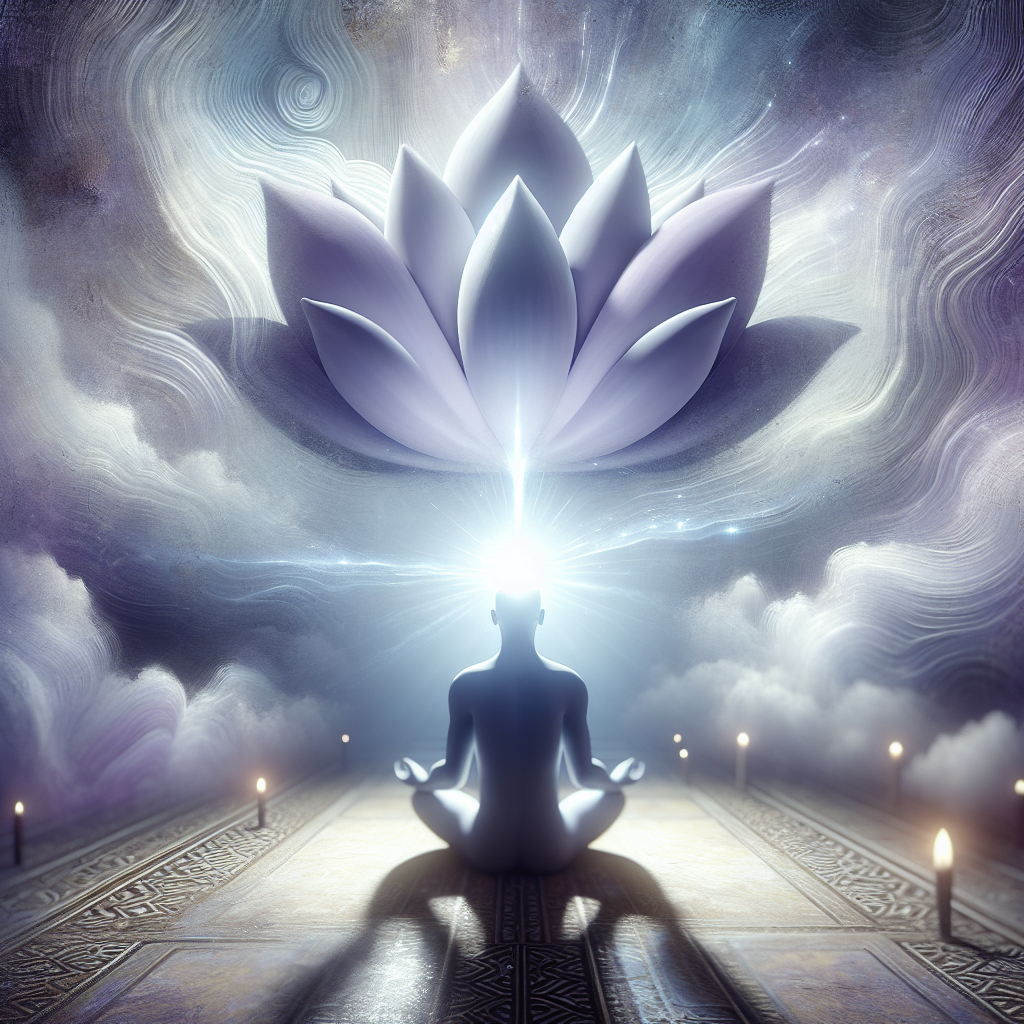
Some practitioners recommend using amethyst with caution and under guidance, due to its powerful connection to the crown chakra.
However, some people doubt that wearing an amethyst stone causes any physical effects. They believe in its spiritual advantages and think that any changes are in the mind, not because of the stone. This contrast between scientific skepticism and holistic belief systems is a point of contention regarding amethyst.
Amethyst stimulates crown chakra and third eye chakra. However, it is its overstimulation of the crown chakra that can lead to imbalance. This overstimulation may manifest as feelings of disconnection, detachment from the physical world, or an intense focus on spiritual matters to the exclusion of other aspects of life. It can create a sense of being ungrounded or losing touch with reality for some individuals. This can cause the feeling of stress.
On the other hand, some individuals may interpret these experiences not as negative side effects of wearing amethyst stone but as a spiritual awakening or deepening of their spiritual practice. They may view these effects as an opportunity for personal growth, heightened spiritual awareness, or a shift in consciousness.
Tip: If amethyst crystal leaves your crown chakra feeling a bit off, pair it with black tourmaline or hematite to help you stay grounded.
There is a debate over whether the side effects of wearing amethyst stone are a result of negative energy being released. Some believe that the discomfort or headaches experienced are a sign that the body is purging negative energy.
Some people think that feeling tired and having low energy might be in your mind.
This debate highlights the need for further research and understanding of the side effects of wearing amethyst stone. It also underscores the importance of personal experience and belief in shaping these effects.
Some people believe that there are conflicting zodiac signs. They believe that some zodiac signs are incompatible with the crystal. Therefore, these signs experience pronounced side effects of wearing amethyst stone.
However, it seems that it is less about “conflicting zodiac signs” and more about:
Sensitivity. For a sensitive person, amethyst may sometimes trigger things like restlessness, vivid dreams, feeling spaced-out, or feeling emotionally overstimulated—regardless of zodiac sign.
Your chart emphasis: people who already lean “airy/mental” (lots of air/fire, or strong Uranus/Mercury themes) sometimes describe amethyst as making them feel more “in their head.”
The financial implications of wearing amethyst can be significant. High-quality amethyst can be expensive, and an obsession with the stone may lead to financial strain.
There is also a risk of purchasing fake amethyst stones, which do not carry the same properties. The market for amethyst is vast, with varying grades and qualities affecting price and purported effects.
Moreover, the ethical sourcing of amethyst is a concern. Some mines are associated with poor labor practices. The environmental impact of mining amethyst should also be considered by conscious consumers.
The cost of authentic, high-quality amethyst can be prohibitive for some. The rarity of deep purple amethyst makes it more valuable and sought after. This can lead to financial strain for those who become obsessed with owning the stone.
On the other hand, the market is flooded with fake amethyst stones. These stones do not carry the same properties and can lead to disappointment and wasted money.
It's crucial to be critical of sources when purchasing amethyst. Ensuring authenticity can help avoid the financial and emotional cost of buying fake stones.
The sourcing of amethyst is another important consideration. Some mines are associated with poor labor practices, and the trade of amethyst is subject to regulations that aim to prevent the sale of conflict stones.
The environmental impact of mining amethyst is also a concern. Mining can lead to habitat destruction and pollution, which conscious consumers should consider.
Synthetic amethyst is widely available and may not carry the same risks or benefits as natural stones. For instance, synthetic amethyst won't have the benefit of spirituality and stress relief that natural amethyst has. However, it provides an alternative for those concerned about the ethical and environmental implications of natural amethyst mining.
To reduce the side effects of wearing amethyst stone, it’s best to take a mindful and gradual approach so you can notice how it affects you and adjust as needed.
Start by wearing the amethyst for short periods of time, such as a few hours a day. This gives your body and mind time to adapt, especially if you’re new to crystals or sensitive to changes in mood or energy. Pay attention to how you feel while wearing it—both physically and emotionally.
If at any point you feel uncomfortable—such as feeling unusually tired, restless, distracted, or simply “off”—remove the stone and take a break. There’s no need to push through discomfort if for instance you encounter restlessness or anxiety. You can always try wearing it again later for a shorter time or in a different form (for example, carrying it in a pocket instead of wearing it as jewelry).
Cleaning the amethyst regularly is also important. Physical cleaning can be done by gently wiping it with a soft cloth or rinsing it briefly with water (as long as the setting allows). Many who use crystals also choose to “energetically” cleanse them, such as by placing the stone in moonlight, setting it near other cleansing stones, or taking a moment to reset their intention. Regular cleaning helps keep the stone in good condition and supports a consistent experience.
Finally, it’s important to remember that crystals are not a substitute for medical care. If you experience any concerning physical or mental symptoms—especially ongoing pain, anxiety, dizziness, or mood changes—consult a doctor or qualified healthcare professional. Listening to your body and prioritizing your health should always come first.

Amethyst is associated with intuition, clarity, and calmness, so many people believe it can have a favourable effect on mood and their emotions—especially during stressful periods, emotional overwhelm, or times when you’re seeking more inner peace. Some wear it for a sense of stability, while others keep it nearby during meditation or journaling because it’s thought to encourage reflection and mental clarity.
However, sensitivity can show up in the opposite way. Instead of feeling soothed, someone might feel restless, emotionally over-stimulated, or unusually “awake” in their thoughts. This can resemble anxiety: a racing mind, tension in the body, irritability, or a sense of being unsettled without a clear reason.
This reaction may be more likely if the stone is worn for long periods, kept very close to the head (like at bedtime), or paired with an already heightened nervous system—such as during burnout, grief, hormonal shifts, or high stress. In these cases, taking breaks, wearing it for shorter windows, or switching to daytime-only use may help.
Because experiences vary widely, it can be useful to treat it like a personal experiment: try wearing amethyst for a few hours, notice your emotions, then adjust. If it consistently increases anxious feelings, it may simply not be the right stone for you at that time.
In conclusion, while amethyst is revered for its purported healing properties, it's crucial to combine belief with caution. The side effects of wearing amethyst stone, whether physical or psychological, should not be overlooked.
It's essential to maintain a healthy skepticism while exploring the properties of amethyst. Personal experiences with amethyst vary widely, making it difficult to generalize about its effects.
Finally, remember that the use of amethyst should complement, not replace, conventional medical treatment or other professional help such as therapy. Always consult with a healthcare professional before using amethyst for health-related purposes. A healthcare professional will be able to provide a guidance.