

The True Significance of Tarot the Death Card
, by Nika White, 19 min reading time
, by Nika White, 19 min reading time
Delve into Tarot the Death card's rich symbolism. Learn about its spiritual, psychological, and kabbalistic contexts, and its interpretations in love and career.
The Death card in tarot always seems to spark a mix of curiosity and apprehension. Its name and imagery can be a little intense, but when I draw this card during a reading, it doesn’t point to physical death at all. Instead, it’s about metaphorical endings, transitions, and big changes. This card marks the close of a chapter, clearing the way for something new to grow.
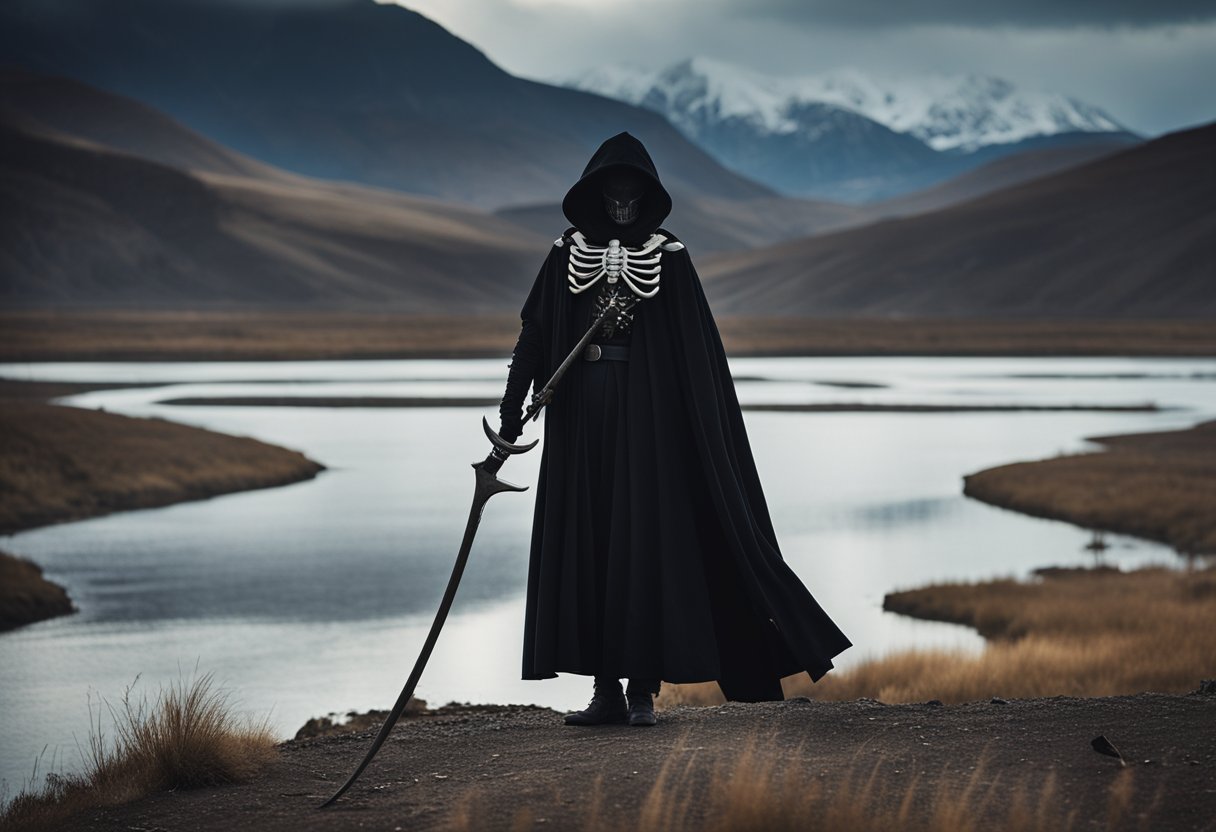
In my experience, the Death card carries a message of renewal through letting go. It reminds me that growth often means releasing outdated beliefs, habits, or situations. Shedding the old to make space for the new can feel tough, but it’s also deeply liberating. I see the Death card as a nudge to embrace change with a bit of courage and trust.
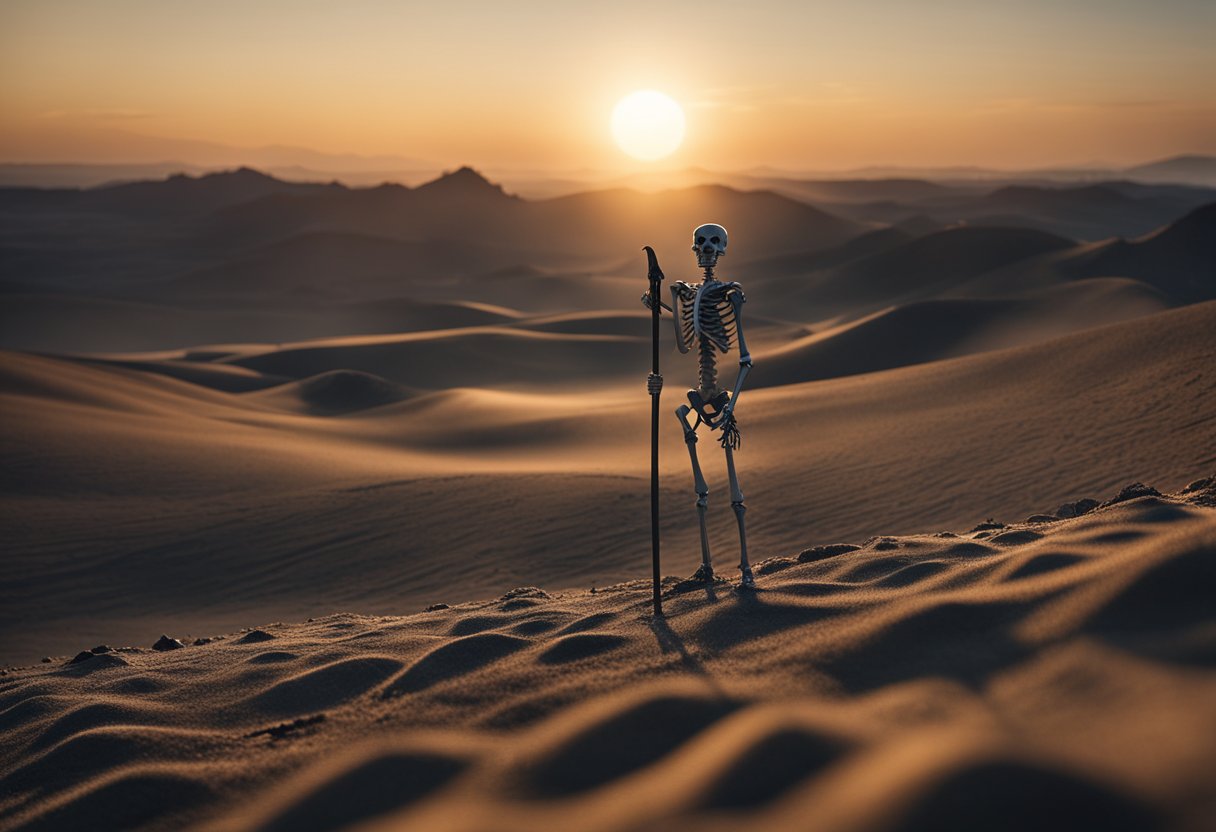
The Death card, part of the Major Arcana in tarot, embodies transformation, endings, and new beginnings. Its meaning has shifted over time, but it’s always been rich in symbolism.
The Death card sits as the 13th card in the Major Arcana, a lineup of 22 cards representing major life lessons and archetypes. Its number, 13, often links to endings and transitions, which fits the card’s vibe of transformation and renewal.
Most traditional decks, like the Rider-Waite-Smith, show Death as a skeletal figure or the Grim Reaper. You’ll see scenes of change—maybe a rising sun or wilting flowers—hinting at cycles of life, death, and rebirth. This spot in the deck really cements its role as a turning point: closure leading to new paths.
Over centuries, the Death tarot card’s meaning has shifted with cultural views on mortality and change. Early decks like the 15th-century Visconti-Sforza showed mortality in more subtle ways, often skipping the dramatic reaper imagery.
Modern interpretations—especially those shaped by 19th and 20th-century occult traditions—lean into transformation and spiritual renewal. Today, most tarot readers see the Death card as a metaphor for necessary endings and growth, not literal death.
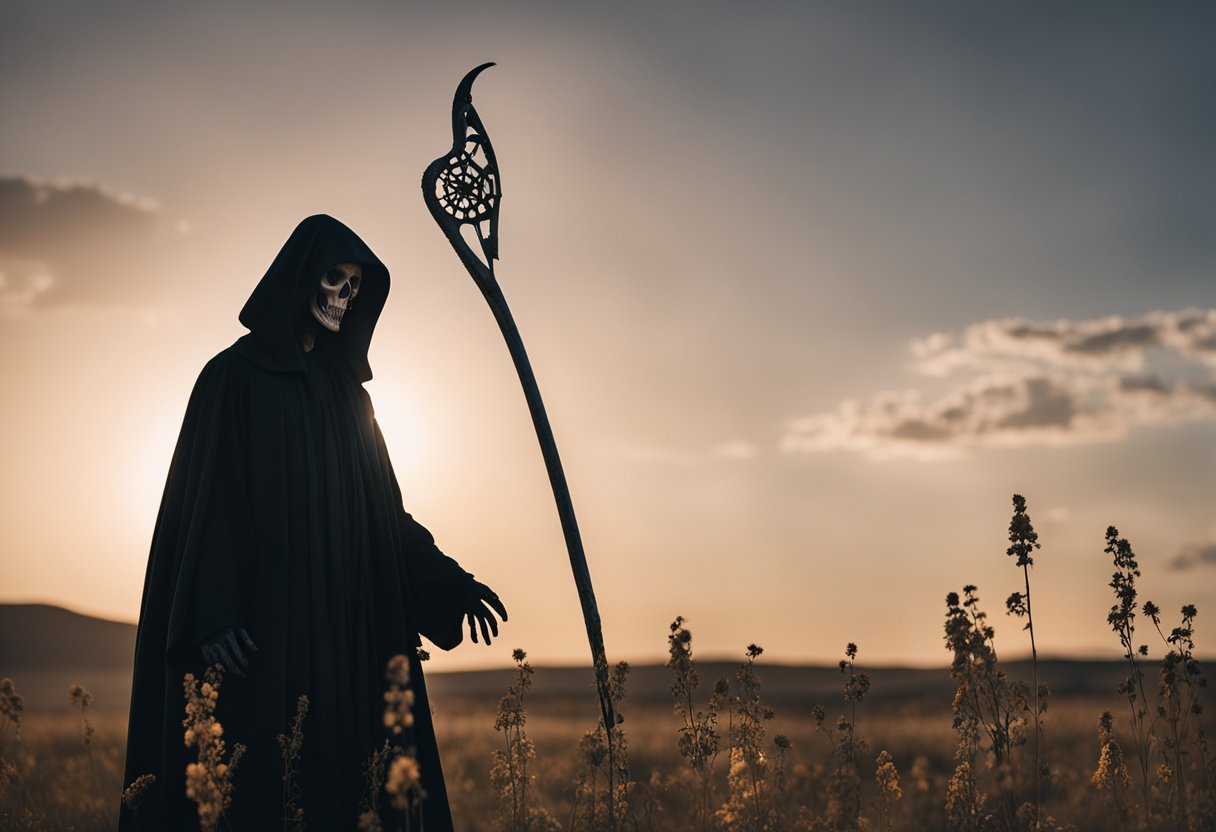
The Death card overflows with symbols of transformation, endings, and renewal. Its imagery gives readers a window into life’s cycles and the opportunities that come with change.
The black armor on the skeletal figure signals the inevitability of change, almost like a shield against fear. Death here isn’t an enemy; it’s part of life’s flow.
The flag with a white rose stands for purity and new beginnings. The rose on the black flag really nails the idea that endings and rebirths happen together.
Look in the background and you’ll often spot a rising sun. It’s a reminder that after every ending, a new day waits. Water shows up too, hinting at life’s constant movement and the need to adapt.
Different tarot decks each put their own spin on Death’s imagery. The Rider-Waite deck shows the skeleton on a white horse—purity meeting darkness. The Marseille Tarot keeps it simpler, but the meaning still lands.
Some modern decks go abstract, sometimes skipping the Death figure altogether but keeping symbols like the rose or sun to keep the message clear.
The black and white contrast—the banner and the rose—really drives home the balance between endings and beginnings. You’ll sometimes see people kneeling in the card, showing that change impacts everyone, no matter their status. Their reactions, from fear to calm, make the transformation feel personal and real.
All these details layer together, making this card visually rich and open to interpretation, while still sticking to universal themes.
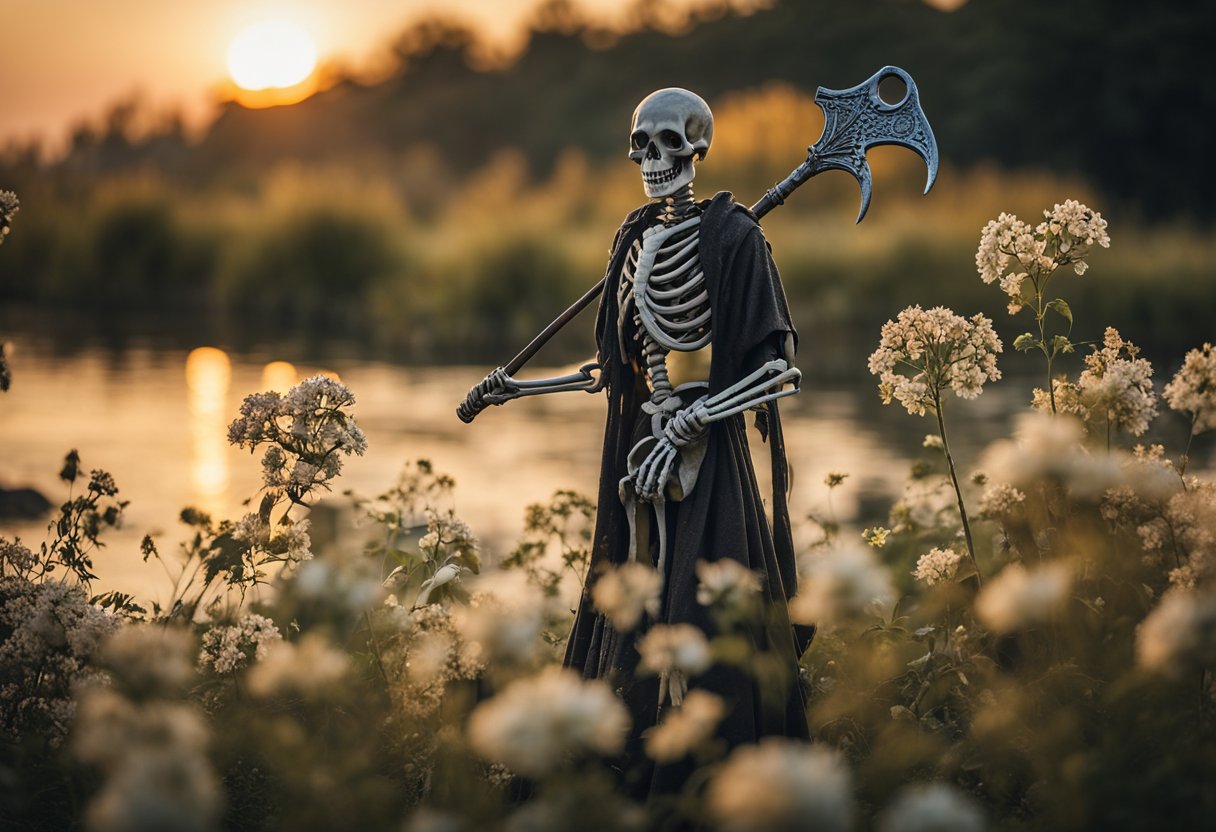
The Death card in tarot stands out as a symbol of transformation. It’s not about literal death; it’s about the transitions that push us toward growth or renewal.
When I see the Death card upright, I think of endings, change, and transformation. It’s a sign that something’s wrapping up, and a new start is just around the corner. Maybe it’s time to let go of old habits, relationships, or ideas that just don’t fit anymore.
The card’s imagery—a skeleton on a horse, usually—shows how loss and renewal are two sides of the same coin. Letting go is tough, but it opens up space for something better.
If the Death card pops up reversed, change is still on the table, but it might be hitting a wall. This card can show up when I resist or avoid transitions. Sometimes I feel stuck, clinging to what’s familiar even when it’s time to move on.
This reversal nudges me to ask: What am I holding onto that’s holding me back? Sometimes, accepting change is the only way forward.
The Death card shares some ground with other Major Arcana cards, but its focus on endings and rebirth makes it unique:
| Card Name | Similarities | Differences |
|---|---|---|
| The Tower | Both bring big changes, sometimes out of nowhere. | The Tower is all chaos and sudden shocks, while Death is more about gradual, transformative shifts. |
| The Fool | Both hint at new beginnings. | Death says you need an ending before you can start again; The Fool is about jumping in fresh, maybe a bit naïve. |
| Judgment | Both touch on renewal and awakening. | Judgment is about self-reflection and resolution, while Death is about changes that sometimes feel out of our hands. |

The Death card in tarot really leans into life’s cycles—every ending opens the door to a new beginning. It’s about clearing away what’s old so something fresh can grow.
When this card shows up, it usually means a chapter is closing. Maybe it’s a relationship, a job, or just a way of thinking. Endings are rarely easy, but honestly, they’re what make growth possible. When routines break, there’s a chance to shake off stagnation and let new energy in.
One big theme here is clearing—ditching habits or situations that have outlived their purpose. It’s a bit like pruning a plant: cutting away what’s dead so something healthier can take its place. Endings aren’t just voids; they’re steps in the ongoing cycle of renewal.
With every ending, there’s a transition—that weird, in-between time where things feel uncertain but full of potential. The Death card really speaks to this liminal space, where embracing change can feel scary but also exciting.
After clearing and closure, new beginnings usually follow. The layers you’ve shed make room for opportunity and rebirth. Maybe a new career, a fresh perspective, or a relationship comes into view. I’m reminded that these transitions aren’t endpoints—they’re the start of another journey.

The Death card brings a sense of deep transformation. It marks the end of one phase and the start of another, often challenging us to meet change head-on and find growth through release.
The Death card is all about metamorphosis—old patterns or identities fade so re-birth can happen. People often misunderstand it as a literal end, but it’s really about dropping what no longer fits. I see this as a step toward spiritual enlightenment—a chance to tap into deeper inner wisdom.
Transformation can feel intimidating, especially when the future’s hazy. Still, the card’s imagery—like the rising sun or blooming flowers—whispers that renewal is always possible. Endings lead to beginnings, even if it’s hard to see at first.
The card keeps confronting me with the challenge of letting go—whether that's people, places, or emotional attachments that don't really help me grow anymore. Clinging to what's familiar just breeds resistance to change and, honestly, feels like treading water.
I've learned that embracing this "death" of the old brings freedom and a kind of clarity that's hard to find otherwise. Recognizing resistance is always the first step, though.
Whether I'm releasing toxic relationships or outdated goals, the Death card doesn't mince words: true liberation means surrender. It's not erasing the past, just carrying the lessons forward with a new sense of purpose.
Practical steps for letting go:

The Death card's imagery and name trip people up all the time. Folks often take it way too literally, missing the bigger picture and letting fear get in the way.
Probably the most common misconception? People think the Death card predicts actual, physical death. That idea usually comes from its dramatic symbols—skeletons, dark colors, the whole works.
In reality, the card's about transformation, endings, and farewells that make room for something new. It stands for necessary change, whether that's ditching old habits or closing a chapter in life.
The rising sun in many Death card images? That's not about doom—it's about optimism and renewal, not loss or grief.
Some people get stuck on the negative side of the Death card and don't want to dig deeper. Usually, that's just fear talking—fear of big changes, which the card tends to signal.
Instead of seeing its message of renewal, the card gets labeled as ominous or harmful. Ignoring its transformative side can keep people from moving through transitions in a healthy way.
Symbolism like purification, letting go of outdated beliefs, and moving forward can help clarify things for those who are hesitant.

The Death card has deep ties to astrology and numerology. It's all about transformation, endings, and the cycles that run through everything.
It vibes with Scorpio, the rebirth themes of the 8th House, Saturn's influence, and the number thirteen—which gets a bad rap but is actually about change.
The Death card is super close to Scorpio, a fixed water sign. Scorpio's all about transformation, intensity, and emotional depth, so it fits the card's symbolism of endings and starting fresh.
Scorpio's traits—handling big changes, embracing rebirth—just add to the card's meaning. Pluto, Scorpio's ruling planet, doubles down on the cycles of death and regeneration.
The 8th House—the house of transformation—links to Scorpio and shares a lot with the Death card. This house deals with shared resources, endings, inheritances, and deep personal change.
Saturn isn't Scorpio's planet, but it does play the role of taskmaster in the zodiac. Saturn's lessons—letting go of the old for growth—mirror the cycles in the Death card.
The Death card takes the 13th spot in the Major Arcana. In numerology, thirteen means transformation, change, and letting go of what doesn't work anymore.
People often see thirteen as ominous, but it actually promises renewal after closure. Add 1 + 3 and you get 4, which brings in the stability of four—hinting that you can rebuild on a new foundation after endings.
When the Death card shows up, it's a sign that something needs to end so you can transform and grow. This card pushes you to drop old burdens and, honestly, sometimes that's the only way new opportunities can show up.
In love readings, the Death card screams transformation in relationships. Maybe it's the end of a stale relationship, giving both people the chance to move on and find something better.
If you're in a strong partnership, it might mean you need to shed old patterns or finally deal with unresolved issues. If you're single, letting go of old emotional baggage just clears the path for new connections.
Key relationship takeaways:
In work or money matters, the Death card signals the end of a professional phase that's run its course. Maybe it's time to leave a job, rethink your career, or deal with big changes at work.
It could also mean it's time to kick old financial habits to the curb. Taking on debt or ignoring spending can hold you back, but facing it head-on opens doors to stability.
Career and finance themes in a nutshell:
For growth, the Death card is all about change as a path to progress. Releasing beliefs, habits, or spaces that hold you back is key.
It usually points to big internal shifts, encouraging you to try new perspectives, hobbies, or even places. Sometimes it nudges you to physically move or step way out of your comfort zone for a real shot at renewal.
Growth themes to keep in mind:

The Death card, number 13 in the Major Arcana, looks wildly different depending on the deck and era. Traditional decks lean into endings, but modern ones often highlight renewal and personal growth in creative ways.
Old-school tarot decks usually show skeletons or grim reapers—classic symbols of mortality and the end of a cycle. The Visconti-Sforza deck from the 1400s, for example, gives us a skeleton with a scythe, echoing medieval ideas of death as the ultimate harvester.
The Marseille Tarot keeps things minimal but striking, with a skeleton gathering severed limbs and heads. It's morbid, but it also hints at renewal through decay.
Some Renaissance decks, like Motherpeace Tarot, get more artistic and blend in stories of grief, rebirth, and life's cycles.
Modern tarot decks have moved away from focusing just on literal death. The Rider-Waite-Smith deck, for instance, uses a knight on horseback with a rising sun and crossing waters—clear signs of new beginnings.
Contemporary artists love to reinterpret the card, swapping skeletons for things like wilting and blooming flowers or changing landscapes to show transformation. It's less about fear and more about growth.
Deck creators now often use softer colors, gender-neutral images, or cultural symbols that speak to a wider range of people, all without losing the card's core message: change is coming.
The Death card taps into deep themes from mythology, archetypes, and Kabbalistic teachings. It's not just about endings—it's about transformation, renewal, and the bigger spiritual journey.
As an archetype, Death signals transformation and growth that come after endings. Jungian psychology ties this to the idea of letting go of limiting beliefs so something new can take root.
Mythological figures like Hades or Kali show this too—they represent both destruction and regeneration. Letting go is necessary for personal and spiritual evolution, even if it's uncomfortable.
In Tarot, Death's spot in the Major Arcana really cements its role in the bigger human story—balancing vitality and decay, both part of life.
In Kabbalah, Death links closely to Tiphereth (beauty and harmony), showing how transformation leads to spiritual integration. Tiphereth balances higher energies with the material world, so loss and renewal help align us with universal truths.
The card also relates to Netzach, which is all about endurance and eternity. Transformation here isn't just about change—it's about lasting wisdom. The Death card becomes a bridge between the physical and the divine, echoing the cycles at the heart of the Tree of Life.
The Death card weaves in immortality and resurrection, too. Sure, it marks endings, but its deeper message is about continuity and renewal—spiritually, emotionally, physically.
Symbols like the rising sun in many versions of the card drive home the idea that every ending brings a new beginning. Myths about the phoenix or Orpheus rising from the underworld echo this cycle of death and rebirth.
It's not literal immortality, but the enduring essence of transformation and finding higher purpose. That's the real legacy of the Death card.
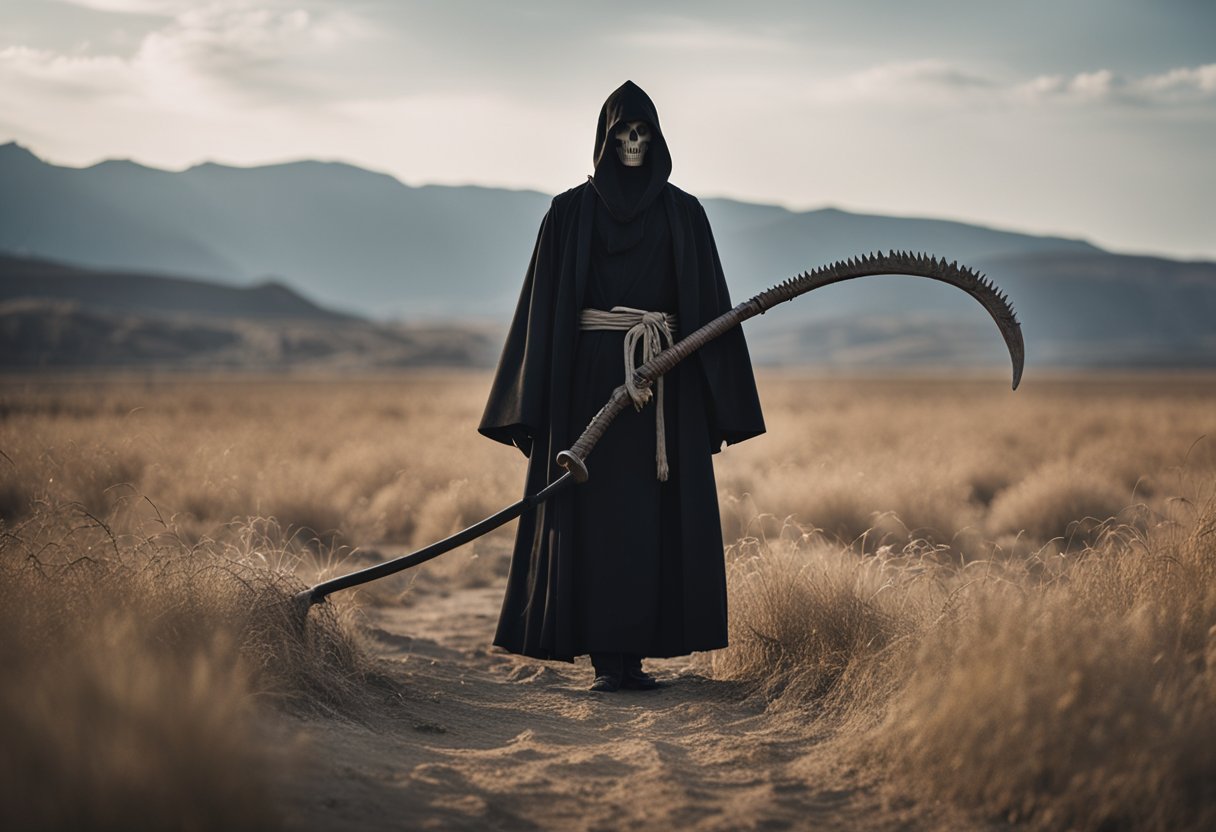
The Death card might be one of the most misunderstood cards in tarot. People hear the name and instantly think the worst, but honestly, it’s all about transformation, endings, and new beginnings.
When I see this card, I treat it as a nudge to release what’s weighing me down. Old habits, relationships, stubborn beliefs—it’s like the card says, “Hey, time to move on.”
It doesn’t really care about “good” or “bad.” The Death card just mirrors life’s endless cycles—one door closing, another creaking open. That’s actually kind of comforting, right?
| Themes | Representations |
|---|---|
| Transformation | Shedding old ways, stepping into the new |
| Endings | Closure of important phases in life |
| Transition | Movement between states or phases |
| Emotional Growth | Learning to accept and trust change |
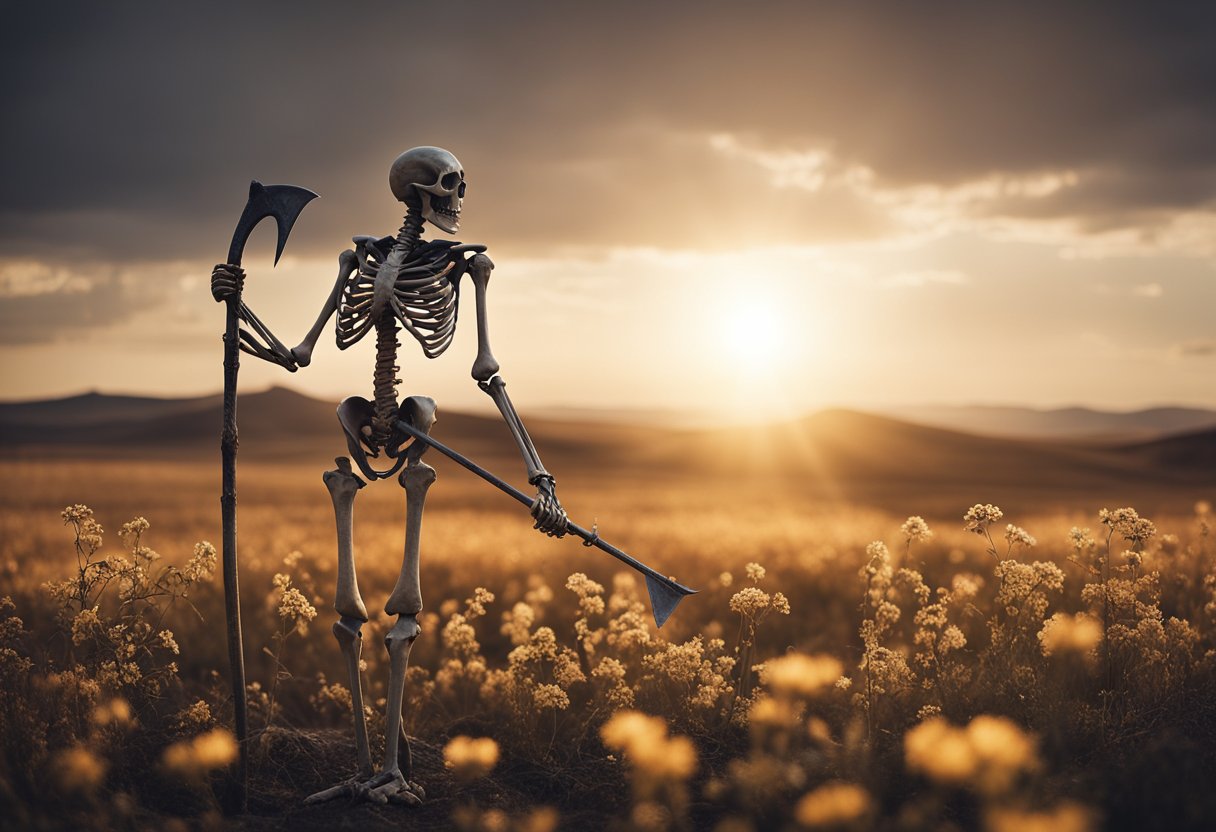
The Death tarot card gets a bad rap because of its name and spooky artwork. But in reality, it points to transformation, endings that make way for beginnings, and those big shifts in life that, honestly, can feel kind of inevitable.
The Death card stands for transformation and change. It marks the end of a chapter, clearing space for something new. It’s a reminder to drop outdated habits or relationships and make room for growth.
In love readings, the Death card usually signals change in a relationship. Maybe it’s the end of a connection that’s run its course, or maybe it’s about transforming together and finding a new balance. Either way, it asks us to adapt if we want harmony.
The Death card doesn’t just mean “no.” Its meaning in yes/no readings depends on what’s going on, but it typically points to big changes or obstacles that’ll need sorting before you get a clear answer. It’s more about rethinking things than giving a flat-out response.
The Death card can be a good sign, honestly. It brings the chance for new beginnings and growth. By letting go of what’s holding you back, you open up to transformation and progress—sometimes that’s exactly what you need.
When you pull the Death card reversed, it often hints at resisting change or fearing what’s next. Maybe you’re stuck or dragging your feet. It’s a call to look inward and figure out what’s blocking your growth.
Astrologers usually link the Death card with Scorpio. That sign's all about transformation, depth, and the endless loop of endings and new beginnings.
Scorpio and the Death card both push us to dig deep, to face our shadows, and to roll with life's changes—even when they're tough or weirdly timed.