

Tarot The Emperor Card? Unlock Its Secrets Today
, by Nika White, 18 min reading time
, by Nika White, 18 min reading time
Discover the profound meaning of tarot the emperor card. Explore its archetypes, astrological ties, and insights into love, family, career, and spirituality.
The Emperor card in Tarot is a significant symbol within the Major Arcana, often associated with the embodiment of leadership and the exertion of power. As a practitioner and interpreter of Tarot, I recognize this card as one that represents authority, structure, and control in a reading. Its presence can indicate the influence of a commanding figure or the need for firm decision-making and stability in a person's life.
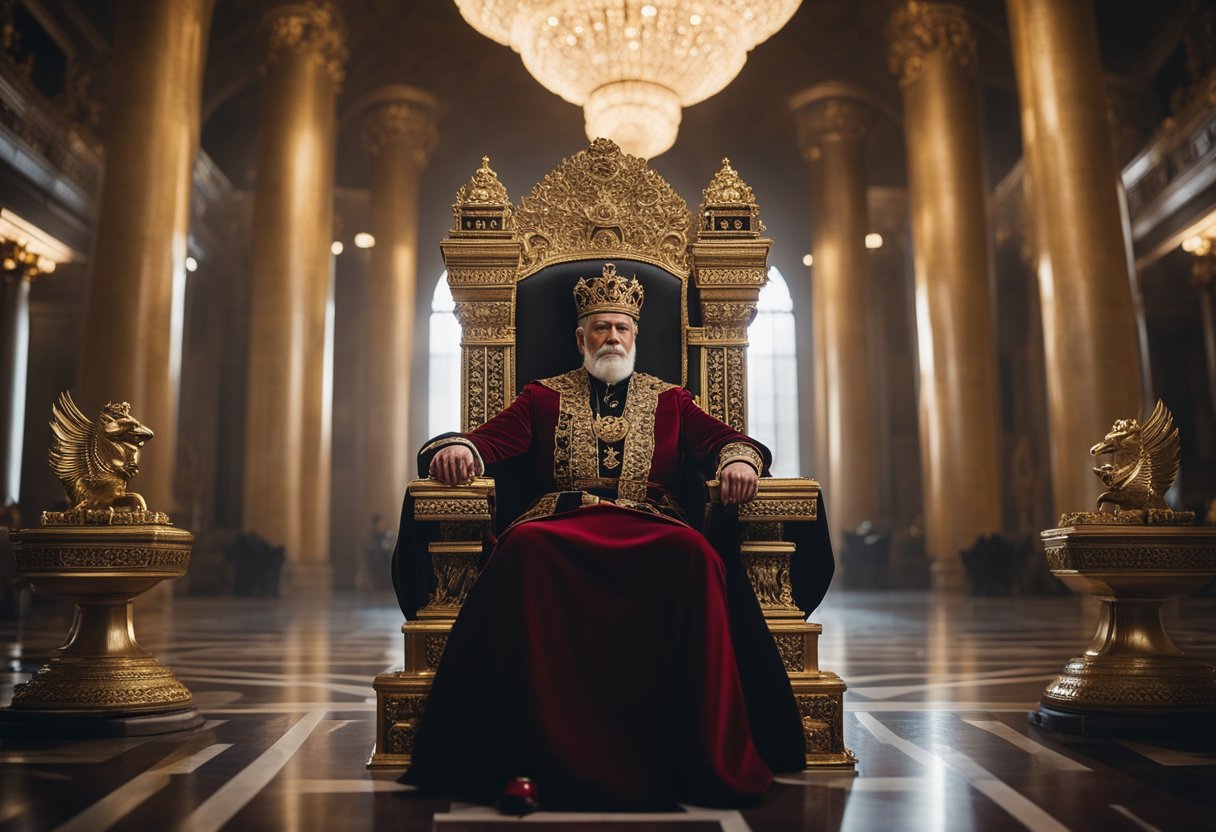
My study of Tarot reveals that each Major Arcana card carries profound insights into life's multifaceted journey, with The Emperor particularly highlighting the societal and personal facets of governance and order. The imagery of The Emperor frequently depicts a stern ruler, seated on a throne, suggesting the traits of a protective and rational leader who upholds responsibility and discipline. This card urges for a strategy and a logical approach to achieving one's goals, while it may also suggest the presence of a fatherly influence.
In examining the energies of The Emperor, I advise querents to consider their own relationship with power and authority, whether in asserting it or respecting it. This card often advises one to channel one's inner sovereignty to lead life assertively, reinforcing the foundations upon which ambitions are built. When The Emperor appears during a Tarot reading, I observe its counsel to be a clear indication to trust in organized, methodical approaches when navigating life's often chaotic landscape.

The Emperor Card symbolizes strong leadership and authority. This major arcana card holds deep associations with structure and power.
I see The Emperor seated on a stone throne, which signifies a solid foundation of power and control. The throne often features rams' heads, linking it to the zodiac sign Aries. I view Aries as a symbol of initiative and pioneering spirit, both key aspects of this authoritative figure. The Emperor himself usually has a stern expression and a long, white beard; these attributes reflect wisdom and experience.
In numerological terms, The Emperor is card number four of the tarot's Major Arcana, a number that I connect with structure and order. Its position after The Empress embodies the transition from nurturance to authority. I see this as a procession from the fertility and creativity symbolized in The Empress to the rule and regulation represented in The Emperor.

In my exploration of tarot's The Emperor card, I find that it embodies archetypal traits associated with control and guidance. These characteristics stem from ancient symbols of authority and paternity.
The Emperor as The Father Figure resonates with images of wisdom and guidance. As a card holding immense Masculine Energy, it represents a powerful source of stability and structure. It reflects my understanding that the paternal archetype in tarot is not only nurturing but serves as a model for responsibility and ethical behavior.
Within this card lies The Ruler, a representation of leadership and power. In my readings, The Emperor has shown an affinity for order and control, much like a sovereign who dictates the laws of the land. The card's depiction of a ruler isn't just about dominance; it articulates the responsibility that comes with power and the profound insight required to wield it justly.
Lastly, The Emperor functions as The Protector. In this role, he uses his power to guard and establish a safe environment. In my interpretation, this protective nature stems from a place of assertive Masculine Energy, committing to the well-being of others and displaying a form of leadership that prioritizes security.

In my exploration of tarot, I've discerned that each card has its own unique relationship with astrology. The Emperor card, specifically, aligns with the fiery energy of Aries and the assertive influence of Mars, while also being touched by the expansive reach of Jupiter.
Aries is the first sign of the Zodiac, representing new beginnings and leadership. The Emperor embodies these qualities through its association with Aries, highlighting the card's themes of authority and initiative. It's not just the zodiacal connection but also the ruling planet of Aries that infuses the Emperor with its energetic essence. Mars, as Aries' ruling planet, further accentuates the Emperor's symbolism with its connotations of action, desire, and courage. In the realm of tarot, when I see the Emperor, I think of Mars' influence as the card's driving force, instilling a sense of determination and willpower.
Moving beyond the direct astrological correspondence, the Emperor's reach also extends to the influence of Jupiter. Although not traditionally linked, Jupiter's expansive nature can be seen in the broader organizational and societal structures the Emperor might represent. It manifests in the card's invitation to expand one's domain, be it personal, intellectual, or social, reflecting Jupiter's association with growth, optimism, and abundance.
In my study of the tarot, synthesizing these astrological associations provides a deeper understanding of The Emperor's archetypal implications within readings and reflects the fiery, proactive elements found in its associated astrological entities.
In tarot readings, the Emperor often highlights themes of leadership and structure. Whether appearing in the upright or reversed position, this card speaks to various degrees of control and authority in a person's life.
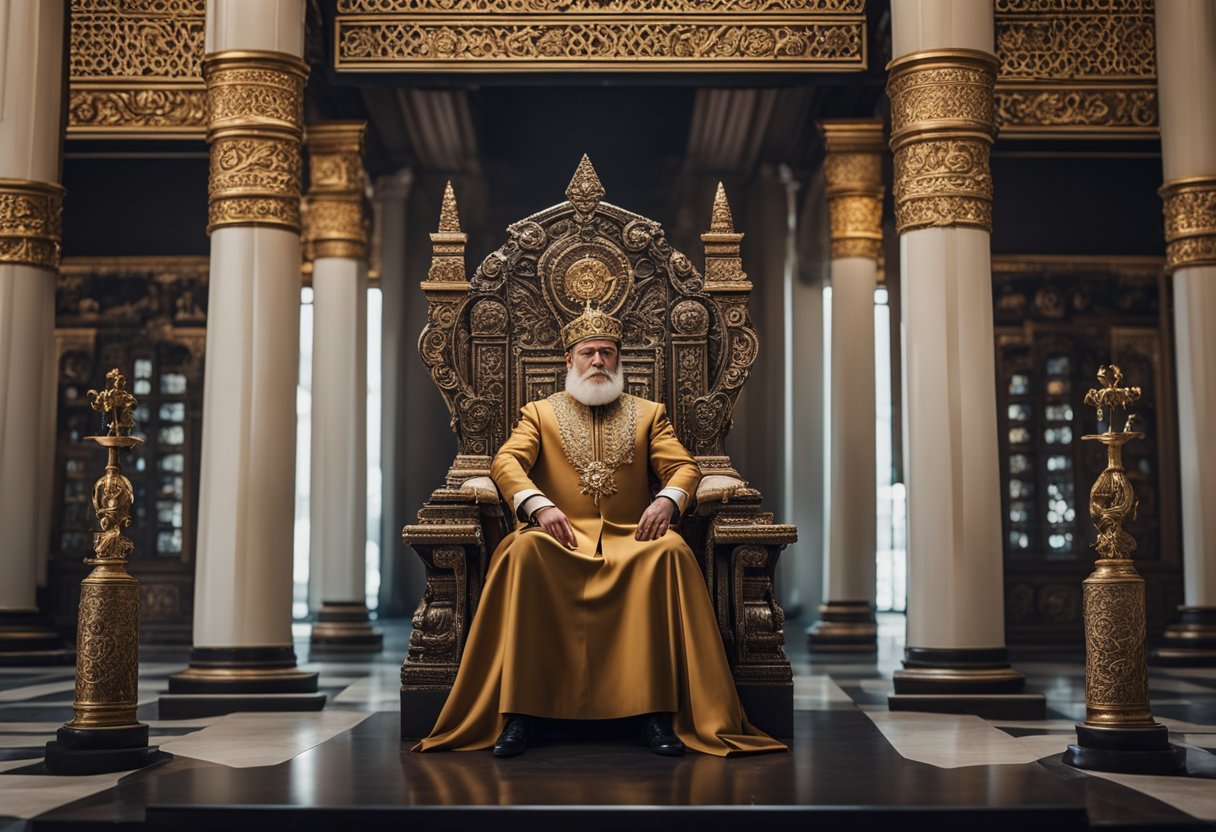
When I draw the Emperor in its upright position, I interpret it as a strong indicator of authority and discipline. This card signifies a period where harnessing control over one's environment is crucial. It may represent a person who, like the Emperor himself, is a protector and provider. Often, it points to the need for stability and order, suggesting that a methodical and regimented approach will bring about the desired outcomes in a situation.
Conversely, the Emperor in a reversed position can signify a lack of self-discipline or an abuse of power. In my readings, this often warns against the perils of overbearing control or rigidness. It can imply that there is a need to reassess one's approach to leadership and to consider adopting a more flexible stance where necessary.
Authority Issues:
Discipline Challenges:

The Emperor tarot card frequently embodies a layer of complexity that is revealed through its associations with leadership and structure.
When the Emperor appears as representative of an individual, I'm often looking at someone who exudes confidence and responsibility. This is typically an older figure, possibly paternal, who brings order and discipline to their environment. As a person, they usually display:
In my experience, such individuals do not shy away from making tough decisions and often hold a position of authority or embody the spirit of a leader.
The energy of the Emperor is captivating due to its determination and ability to influence actions and outcomes. When identifying this energy in a reading, the following attributes come to mind:
This energy is also about creating and maintaining systems and structures, ensuring that everything functions as it should.
In a situational context, the Emperor can hint at the necessity for imposing order and safeguarding security. The aspects most relevant here include:
I interpret this card to indicate that the situation calls for leadership and a tactical approach, with a strong need for discipline and clear strategies in place.

When analyzing The Emperor tarot card, I find that it typically conveys themes of stability and control within personal connections. It often implies a presence of strong leadership or protectiveness in love and familial ties.
In terms of love, The Emperor can symbolize a partner who values stability and loyalty. This individual is often seen as the husband or patriarchal figure in a relationship, offering security and structure. They may not be the most expressive in terms of emotions, preferring to show their love through acts of service or material support.
In family dynamics, The Emperor emphasizes authority and a guiding hand. This card reflects someone who assumes responsibility for the well-being of family members, akin to a protective father figure.
In my exploration of the tarot's Emperor card, I've discerned its significance in the realms of occupational leadership and fiscal control. This card's energy imparts crucial insights into successfully navigating authority in the workplace and managing monetary matters.

The presence of the Emperor card speaks volumes about professional stature. I encounter its influences when I come across opportunities to attain prominent leadership roles within a business. Success stems from embodying the card's hallmark attributes: structure, discipline, and control. A work environment under the Emperor's auspice likely values hierarchical order and clear directives.
When the Emperor appears reversed, however, it prompts me to consider whether there's inflexibility hindering progress or whether a lack of innovation is present. It's a call to reassess strategies and embrace adaptability, ensuring business operations don't become stagnant.
Moving to the aspect of finances, the Emperor champions methodical and strategic planning. To optimize financial outcomes, I integrate the card's energy by pursuing stability and long-term security. This entails careful resource management and adhering to budgets with an iron hand.
In the reversed position, the Emperor warns of potential pitfalls in financial decision-making. I am then guided to seek external professional help to safeguard against mismanagement of funds or to break away from overly authoritarian financial practices that may be harming my economic stability.

In my study of the Emperor tarot card, I've found its spiritual significance lies in the themes of personal power and self-discipline. These are crucial on the path to spiritual enlightenment and mastery.
The Emperor card is a potent symbol of structure and stability grounded in spiritual practices. In my own journey, I reflect on the Emperor as a spiritual guide toward understanding the use of power in life. Enlightenment, from the Emperor's perspective, is recognizing that true power is exercised with benevolence and wisdom rather than force. I've learned that such power comes from an alignment with spiritual laws and a balance between the material and the spiritual realms.
The discipline embodied by the Emperor card speaks directly to the aspect of mastery over one's life. My interpretation has always emphasized that spirituality isn't separate from the day-to-day existence; rather, it's how we bring order to chaos and align with our higher selves. Discipline is the cornerstone of this process—it's the practice that keeps me grounded in my spiritual beliefs, even when outside challenges arise.
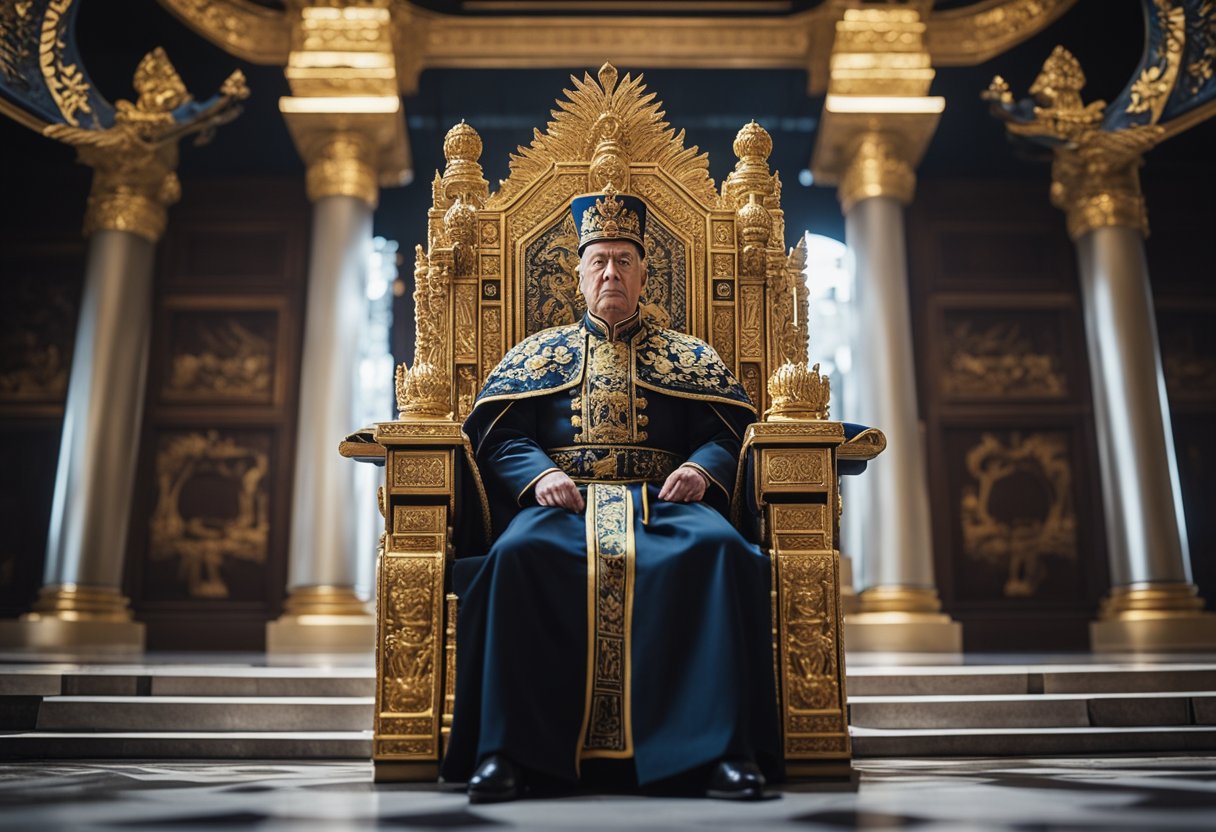
In my exploration of the Emperor tarot card, I have discovered that its significance is deeply rooted in ancient symbolism and has evolved through the ages. This card's journey from historical emblem to modern interpretation reveals a tapestry of cultural influences.
The Emperor tarot card, as I understand it, is a key figure in the tarot deck, often representing the archetype of power and authority. Historically, the imagery of the Emperor has been influenced by societal structures and leadership ideals. The earliest tarot decks, originating in 15th-century Italy, featured the Emperor as part of the Major Arcana, reflecting the hierarchical and patriarchal values of the time. The card was used for games and later evolved into a tool for divination. Tarot itself seems to intertwine with various historical timelines but does not directly originate from ancient Egypt, as some myths suggest.
Over centuries, the symbolism of the Emperor has shifted. Initially, the card depicted a ruler with the symbols of power—often a scepter and orb—and a throne, conveying a straightforward message about authority. As I've studied the evolution of the tarot, I noted that while early tarot imagery didn't include the Egyptian Ankh, the cross-like symbol representing life and immortality, such symbols of ancient civilizations have been adopted in modern decks to deepen the esoteric connections. The Emperor's representation has broadened over time, integrating notions of masculinity, stability, and leadership. These present-day interpretations often reflect current attitudes towards governance and family structures, contrasting sharply with the card's more rigid historical representation.

When I approach the Emperor card in tarot, my focus is on tapping into my intuition and steering clear of common pitfalls that could skew my interpretation. I incorporate advice drawn from experience to enhance the accuracy of my readings.
To develop your intuition when interpreting the Emperor, you can start with a centering exercise. This involves taking deep breaths and clearing your mind of any preconceived notions. You can then lay out your tarot spread, giving special attention to the Emperor if it appears. You can observe the imagery and sit quietly, allowing your subconscious to surface insights about the card's significance within the spread's context. You can note down the immediate thoughts or feelings that come to you about the card.
It takes time and practice to trust these instincts, but it's vital for insightful readings. To ensure your focus remains sharp, you might meditate on the Emperor card beforehand, asking yourself what leadership or structure means to you personally. Here's an example of a focused exercise you can use:
Misinterpreting the Emperor can significantly alter the guidance you provide in a reading. A frequent misunderstanding is viewing the Emperor strictly as a symbol of overbearing authority. Remember that the Emperor also embodies qualities of protection, order, and discipline. It's important to consider the card in the light of these aspects as well, especially in relation to the querent's current life situation.
Another common misconception is to think of the Emperor as lacking emotional depth. To counteract this, I recall that the Emperor often represents a father figure or a supportive leader and think about experiences where structure provided by leadership has been nurturing or beneficial.
A note on tarot reading advice: Maintain balance by integrating a blend of interpretation techniques, ranging from intuitive insights to an understanding of conventional tarot meanings, which can be enriched through studying different resources, like Hermit's Mirror, focusing on the multifaceted aspects of the Emperor.
I'll now address some common inquiries concerning The Emperor tarot card in the context of love readings, decision-making, and its symbolism.
In a love reading, The Emperor often symbolizes a partner with strong leadership qualities and a stable presence. This card may indicate a relationship that is structured and secure, where roles are clearly defined.
When seeking a yes or no answer, The Emperor leans towards 'yes', suggesting that assertiveness and taking charge can influence the outcome positively.
The Emperor's energies in love are expressed through protection, providing stability, and showing a committed effort towards the relationship. This card can indicate that feelings are based on security and traditional values.
The card conveys the advice to embrace leadership qualities, uphold responsibilities, and maintain order. It encourages establishing clear boundaries and rules in any situation, including relationships.
While The Emperor represents structure and authority, The Empress embodies nurturance and creation. They balance each other, as the Emperor's decisiveness complements the Empress's compassion in tarot symbology.
The Emperor is viewed positively when guidance, discipline, or leadership is needed. It's auspicious for career matters, personal empowerment, or when a strong foundation is crucial for success.