

What's The Lovers Card Tarot? Find Out Now!
, by Nika White, 20 min reading time
, by Nika White, 20 min reading time
Delve into the Lovers Card Tarot: learn its interpretations for career, health, and finances, plus its archetype in media and literature. Understand its role in romance.
The Lovers tarot card, often numbered six in the Major Arcana, holds a rich tapestry of meaning within the tarot deck. To me, it primarily represents relationships and choices, hinging on the concept of union and duality. It's not simply about romantic love, despite the common misconception. My understanding is that it goes deeper, speaking to the harmony and alignment of values that are paramount in any form of partnership, whether it's with another person or the inner self.

Encountering The Lovers in a tarot reading typically prompts an exploration of one's personal beliefs and life choices. It can indicate a significant harmony or balance that needs to be achieved or acknowledged. The imagery common to many versions of this card often includes a couple and sometimes a figure of an angel or Cupid, suggesting a connection to the divine or to higher moral grounds that guide decisions.
In essence, The Lovers card embodies the concept of choices and their consequences. Whether I'm interpreting the card for myself or others, I perceive it as an invitation to reflect upon and potentially reconcile conflicting elements within one's own life or in relationships with others. It's a card that asks for introspection on the alignment between personal values and actions, signaling the importance of decision-making that is in harmony with one's authentic self.

The Lovers card, with its complex symbolism and varied interpretation throughout history, stands as a captivating subject within tarot. I will explore its transformation across centuries, from a game card to a divinatory tool, and its depiction in art, reflecting societal views on love and choice.
The Lovers card, traditionally the sixth trump in the Major Arcana set of tarot, has undergone significant symbolic evolution. Initially, in 15th century Italy, tarot decks like the Visconti-Sforza revealed the card as representing marriage, illustrating a couple during their nuptial rites. Over time, the symbolism grew more abstract, often depicting a choice between virtue and pleasure, a notion influenced by classical and Renaissance allegories such as the story of the young Hercules at the crossroads.
In more recent interpretations, the card's meaning has transitioned to focus on themes of love, relationships, and choices with profound personal implications. While 'love' may seem a straightforward concept, the Lovers card is rich with symbols that can refer to harmony, trust, unity, but also difficult decisions or moral dilemmas.
The portrayal of the Lovers card in various cultural domains reflects the evolving perspectives on love and choice. In art, the image of Hercules making a choice between Vice and Virtue, an allegory for the Lovers, was prominent during the Renaissance and continued into the 19th century, underlining the card's moral and ethical dimensions.
The interpretation of the Lovers card has also been influenced by cultural shifts, often getting eroticized to reflect modern society's preoccupations with romantic and sexual dynamics. This cultural lens has framed the Lovers as an expression of individual passion and emotional bonds, hence linking the card to contemporary issues of relationships and personal values.
In summary, from its roots to current interpretations, the Lovers card encapsulates a multifaceted history that is echoed in art and embodies cultural attitudes towards love and choice. Through my examination, I have observed its transformation from a literal representation to an intricate symbol of the universal challenges and beauties of human connection.

The imagery of The Lovers Card is rich with symbols and color, each element meticulously chosen to convey layers of meaning about the intricacies of relationships and choices.
Through these symbols, The Lovers card communicates the duality inherent in choices, the harmonious or challenging relationships we navigate, and the guidance available to us through intuition and celestial influences.
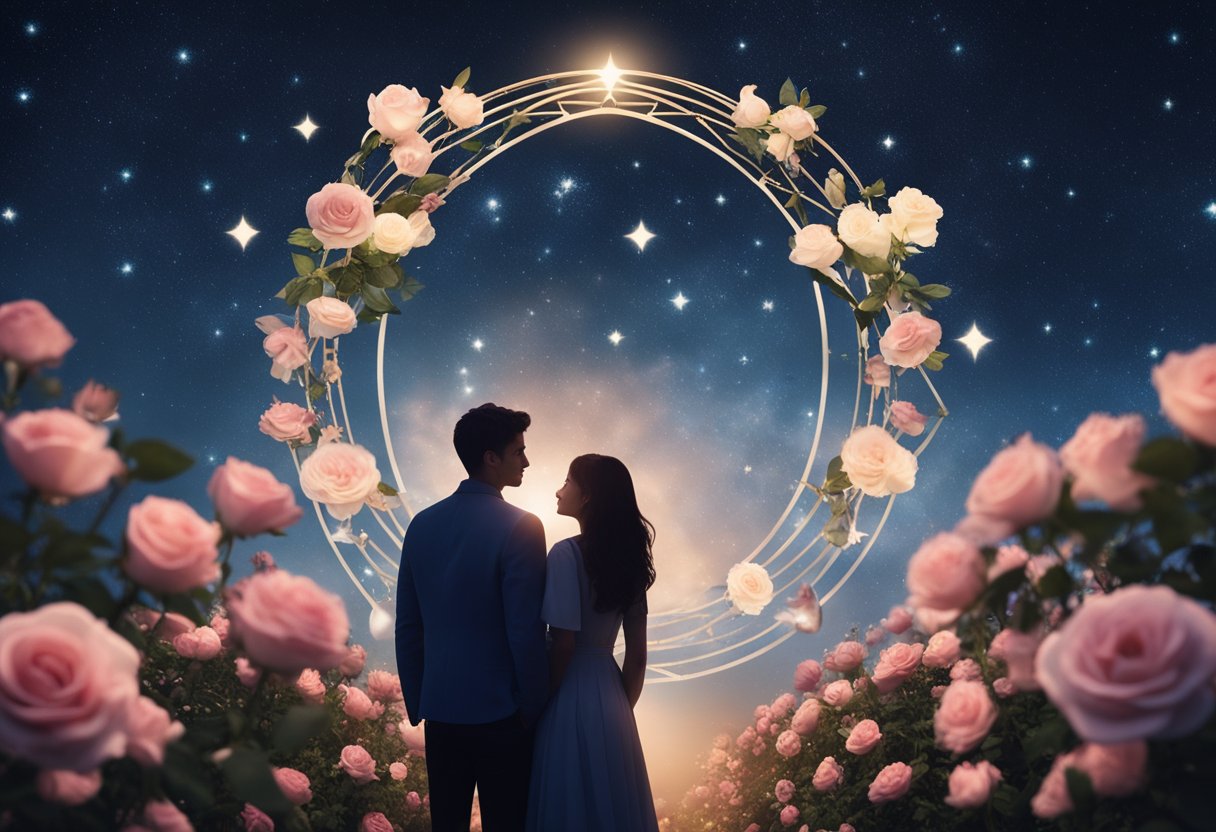
In the mystical practice of tarot, the Lovers card is rich with numerological and astrological symbolism that provides depth to its interpretation.
The Lovers card is designated as the sixth Major Arcanum in the tarot deck. In numerology, the number 6 is often associated with balance, harmony, and the nurturing aspect of love. This number reflects a need for stability in relationships and the choices leading to an emotional equilibrium. Specifically, the number 6 is linked to Venus, the planet known for its influence on love, beauty, and money.
Astrologically, the Lovers card is connected with Gemini, the sign of the twins, governed by Mercury. Gemini's influence brings themes of communication, duality, and the search for intellectual and social balance into the card's meaning. As Gemini is an air sign, it also emphasizes the importance of mental alignment and the weighing of choices—a direct reflection of the dilemmas often depicted in the imagery of the Lovers card.

In tarot readings, The Lovers card is multifaceted, its interpretations hinging on context and surrounding cards. It often represents aspects of love, choice, and personal development.
In a spread concerning romantic relationships, The Lovers typically indicates deep, harmonious connections. When this card appears, it suggests:
It is important to gauge the card's meaning against other cards in the spread, as it may also hint at the need for alignment in values and actions between partners.
The duality aspect of The Lovers card emphasizes decision-making and the choices I face:
In readings focused on choices, The Lovers encourages me to look inward for my true desires and seek a course that aligns with my principles and long-term goals.
When The Lovers surfaces in a context of self-reflection, it offers insights into personal development:
This card often portends a period of growth catalyzed by self-knowledge and personal choices, signaling potential changes ahead in how I view and express my soul's dynamics in various relationships.

The Lovers card in tarot often represents the intricate interplay between various aspects of our psychology, particularly how we process emotions and rational thoughts, as well as the dance between our conscious and unconscious minds.
In my reflections on the Lovers card, I find that it is emblematic of balance between the intellect and emotions. Just as the card suggests union, it also encourages a harmonious relationship between the mind's rational and emotional components. For instance, when this card appears in a reading, it compels me to consider the equilibrium I have attained between my logic and feelings. Am I giving due weight to my emotions when making decisions, or am I allowing cold logic to dominate?
Considerations for Balancing Intellect and Emotion:
The symbols of Yin and Yang are fitting metaphors for the conscious and unconscious aspects of the mind, which the Lovers card prompts me to explore. Yin can be associated with the unconscious, the domain of intuition, feelings, and hidden motives. Yang, in contrast, symbolizes the conscious mind, the seat of awareness and deliberate thought. In my contemplation of this card, I strive to understand the influence of both the overt and covert aspects of my psyche. Are my conscious decisions being directed by unconscious desires or fears? Achieving awareness of this interplay is crucial for personal growth and self-understanding.
Dynamics of Conscious and Unconscious Mind:
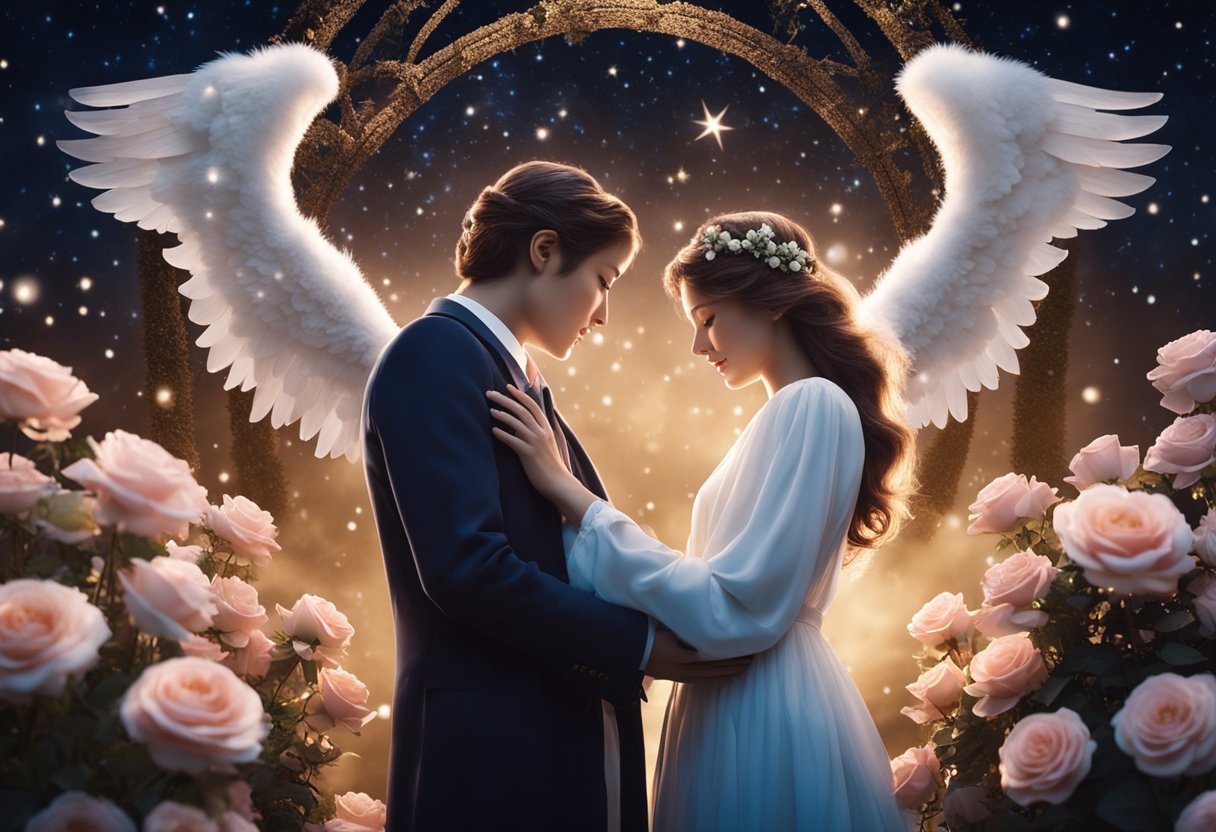
In the context of tarot, The Lovers card sheds light on romantic relationships, highlighting the depth of connections and the significance of handling conflicts effectively.
My research intuits that The Lovers card stands as a beacon for deep love and commitment within a romantic relationship. It commonly signifies a harmonious union where attraction and mutual respect lay the foundation for a meaningful partnership. Trust is imperative in this dynamic, as it fosters a safe space for both individuals to flourish and strengthen their bond.
Consider The Lovers card a positive omen for those seeking to intensify their romantic ties. It encourages me to look at my relationship as a source of strength, guiding me to invest in the ties that bind me and my partner, fostering an environment where love thrives.
The appearance of The Lovers in a tarot reading also reminds me to address conflicts head-on with a clear mind and an open heart. It is not just a card of deep love but also one of choice – the choice to approach relationship challenges with integrity and the determination to work through them, upholding the commitment I have made.
Handling conflicts with care is instrumental in preserving the quality of my romantic relationship. It's about balancing the scales, assessing both sides, and navigating through difficulties to achieve a more profound, more resilient partnership. In doing so, my relationship can become a testament to the power of love and trust to overcome trials.

The study of The Lovers card in tarot illuminates the deep connection between our spiritual values and the choices we make on our ethical journey.
In my analysis of The Lovers tarot card, it's evident that it is a symbol of significant moral choices that one must confront. The card highlights the necessity to navigate through a situation by carefully evaluating the ethical implications. Decisions made under the influence of this card are not trivial; they reflect a person's core values and morals, often revealing the struggle between dual aspects of the self.
Herein lies a lesson about the importance of aligning actions with one's ethical compass, as it is a test of integrity and personal morality.
The intricate relationship between temptation and virtue is another teaching of The Lovers. I've come to understand that this card conveys the critical moments where temptation offers an immediate reward but potentially at the cost of one's innocence or longer-term spiritual health. The Lovers card encourages a thoughtful reflection on these situations, urging one to choose the path that upholds their spiritual values.
By engaging with the lessons of The Lovers tarot card, one gains deeper insight into the journey of self-improvement and ethical consistency.

In my experience, the Lovers card can offer insightful guidance, especially in areas of career and health. It suggests a balanced approach to professional aspirations and financial decisions, emphasizing the need for alignment with personal values.
When I draw the Lovers card in the context of career, it often points to the importance of alignment between my profession and personal values. The card advises me to pursue opportunities where harmony and partnership are possible, and this might manifest in several practical ways:
Regarding finances, the Lovers card serves as a reminder to make choices that support my financial wellbeing while staying true to my core beliefs. It suggests that the health of my finances is closely tied to the health of my body and vice versa. Here's how I interpret this card in practical terms:
In summary, when the Lovers card appears, it serves as a beacon for making decisions that not only progress my professional and financial goals but also promote balance and well-being in my life.

The archetype of The Lovers has deep roots in narratives across media, representing complex themes in literature and film while influencing the way modern stories are crafted.
In literature, The Lovers archetype often drives the plot through a focus on relationships and the characters' moral choices. For instance, the classic story of "Romeo and Juliet" by William Shakespeare is a prime example where The Lovers archetype plays a central role. Here, the emotional depth and the choice between family loyalty and love are at the heart of the tragedy. The complexity of The Lovers is portrayed through the characters' intense relationships and the consequences of their choices.
Moving to film, the same archetype is depicted in movies such as "The Notebook" where the depth of love and the power of choice between social classes are explored. Similarly, "Titanic" showcases The Lovers through Jack and Rose's relationship, which challenges societal norms and class divisions. These films use the archetype to delve into the human experience, capturing the audience's imagination with the drama of love and the gravity of choice.
The Lovers archetype has significantly influenced modern storytelling by offering a template for character development and narrative tension. In today's media, we see this in the form of complex relationships that challenge characters to grow and make difficult choices. Series like "Game of Thrones" utilize The Lovers archetype to explore themes of love, power, and betrayal, injecting nuanced moral dilemmas into the fabric of the plot.
The underlying message within The Lovers archetype resonates with audiences, generating empathy and reflection. As I analyze contemporary narratives, it becomes clear that this archetype serves as more than a mere plot device; it shapes the way stories are told, connecting with our innate understanding of love, conflict, and the human condition. The use of The Lovers in media is a testament to its enduring impact on storytelling.

The Lovers card often surfaces during pivotal moments, heralding a phase of transformation and the promise of fresh starts.
As I reflect on the significance of The Lovers card, I recognize its association with critical junctures in life. It's not merely about romance—it serves as a potent symbol for change and new beginnings. This card frequently appears to signal positive changes, as if urging us to advance with confidence into uncharted territories. In tarot readings, The Lovers can signify a choice to be made—one that will alter my path dramatically. It’s an invitation to leave behind outdated patterns and to step into a new cycle with optimism. Embracing the end of one journey, it bolsters courage to commence anew, often bringing an element of luck into the mix.
The association of The Lovers with new love and happiness is undeniable. It indicates a period where forging heartfelt connections takes precedence. When this card indicates transitions, it's not always literal partnership but can also mean the harmonizing of dual aspects of myself or aligning with my core values. Recognizing this, I see The Lovers as an emblem of personal alignment, which paves the way for profound happiness. In embracing change, there's also an embrace of potential love—love that might be new, revitalizing, and rich with promise.
Exploring the Lovers card in tarot reveals its complex symbolism and varied meanings. Here I'll address some of the specific inquiries that frequently arise regarding this card.
In a love context, the symbolism of the Lovers card points to aspects of harmony, balance, and ethical choices within relationships. It often represents a strong, romantic connection and signifies a moment of decision-making in matters of love.
The Lovers card typically suggests a 'yes' in binary questions, especially those concerning love and relationships. However, its appearance is also a reminder to consider the choices involved carefully.
When reversed, the Lovers card can imply disharmony, imbalance, or a misalignment of values in a relationship. It may also suggest difficulty in making decisions or a warning against rushed choices without due consideration.
In tarot, personal birth cards can form a link to the Major Arcana card that corresponds with someone's birth date. For individuals associated with the Lovers card, this can denote a life path involving important choices, connections, and relationships.
The advice conveyed by the Lovers card in a reading is often to follow one’s heart while also being mindful of the commitments and decisions that align with one's personal values and ethical standards.
The meaning of the Lovers card can vary with its position in past readings. If it appeared prominently in the past, it may reflect a significant choice that has shaped the current situation. Its influence should be seen in the context of the decisions made and the lessons learned from those choices.